
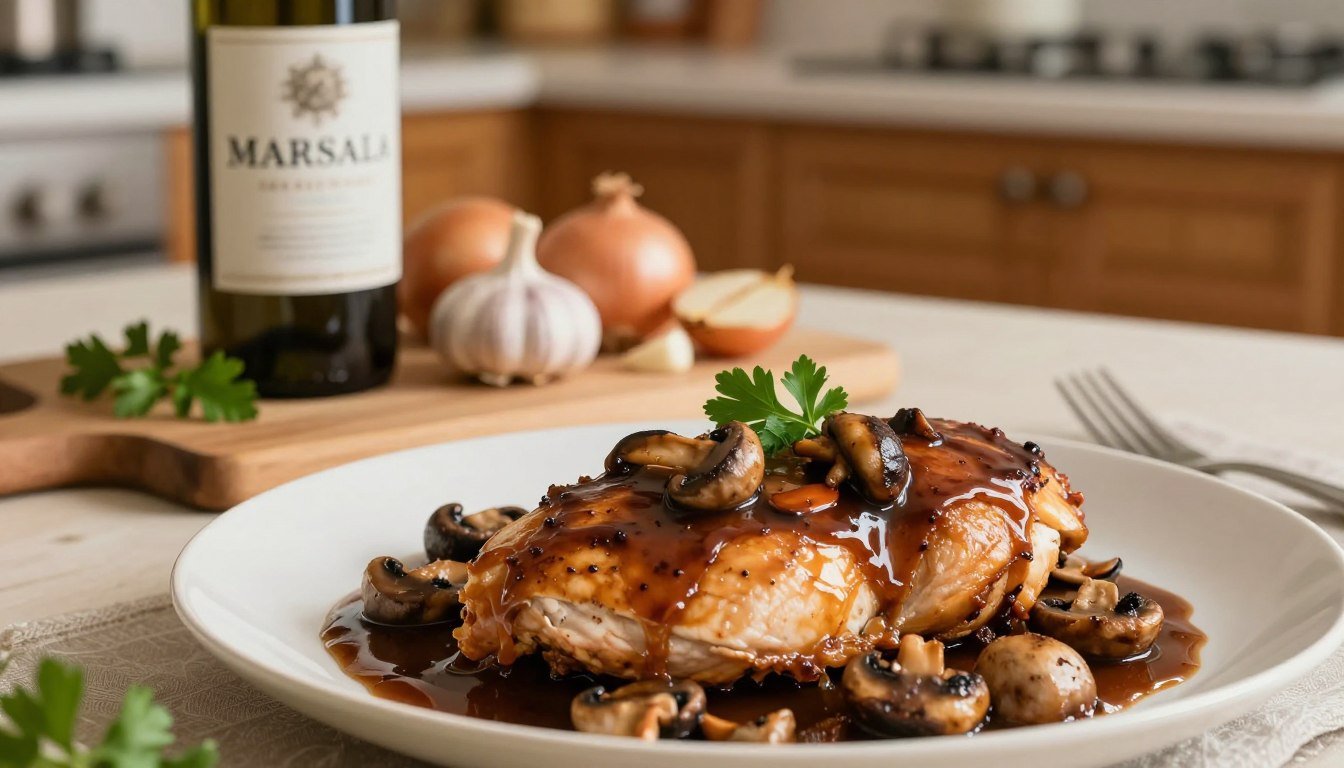
Marsala Sauce for Chicken | How to Make the Perfect Sauce
Every great chef knows that a perfect marsala sauce for chicken can turn an ordinary meal into a masterpiece. I still remember the first time I tasted this rich, velvety sauce in a small Italian restaurant in New York. The aroma of mushrooms and wine danced together, creating a memory I’d never forget.
This easy marsala sauce recipe is more than just a cooking technique—it’s a journey into the heart of Italian-American cuisine. You’ll discover how a few simple ingredients can create a sauce that’s both sophisticated and comforting. Whether you’re a home cook looking to impress your family or a cooking enthusiast wanting to expand your skills, this guide will walk you through every step of creating a marsala sauce that sings with flavor.
In the next sections, you’ll learn the secrets behind selecting the right ingredients, mastering cooking techniques, and understanding the nuanced flavors that make marsala sauce a timeless classic. Get ready to elevate your chicken dish from ordinary to extraordinary with our comprehensive marsala sauce for chicken tutorial.
Table of Contents
What is Marsala Sauce?
Marsala sauce is a rich, flavorful dish that combines Italian and French cooking. It’s a key part of Italian-American cuisine, adding complex flavors to any meal.
The sauce comes from Sicily, where French and local cooks created it. An authentic recipe mixes several ingredients for its unique taste.
A Brief History of Marsala Sauce
Marsala sauce started in Sicily in the late 18th century. Italian immigrants brought it to America, making it popular in Italian-American restaurants. It’s named after Marsala, a wine known for its roasted and toffee-like taste.
Key Ingredients in Marsala Sauce
For the best chicken marsala sauce, you need the right ingredients. Here are the main ones:
- Marsala Wine: The main ingredient, adding deep, nutty flavors
- Mushrooms: Chestnut, portobello, or porcini work well
- Shallots or onions
- Chicken stock
- Flour for thickening
- Olive oil or butter
- Fresh herbs (rosemary, parsley)
Some recipes add garlic, but traditional ones don’t to keep the wine’s flavor. Heavy cream can make the sauce even richer.
Benefits of Homemade Marsala Sauce
Making your own marsala sauce turns a simple meal into a special experience. Unlike store-bought sauces, homemade ones let you control what goes in. You decide on the ingredients, flavor, and nutrition.
Healthier Cooking Options
Homemade marsala sauce offers many health benefits:
- Reduce sodium levels by controlling salt content
- Select high-quality, organic ingredients
- Avoid preservatives and artificial additives
- Choose lean protein and fresh mushrooms
Customizable Flavor Profiles
Homemade marsala sauce lets you be creative in the kitchen. You can try new things to make a unique sauce each time:
- Adjust wine-to-stock ratios
- Select various mushroom types
- Incorporate fresh herbs like thyme or sage
- Control sauce thickness and richness
- Modify sweetness by selecting different Marsala wine styles
Your homemade marsala sauce shows off your taste, dietary needs, and creativity.
Choosing the Right Wine for Marsala Sauce
Finding the perfect wine is key to making a great marsala wine sauce. The right wine can turn your chicken dish into something special. Knowing about Marsala wine helps you make the best sauce for chicken.
Types of Marsala Wine
Marsala wine has different types that can make your sauce better. Let’s look at the main ones:
- Fine Marsala: Aged for at least one year, perfect for cooking
- Superiore Marsala: Aged two years, offering more complex flavors
- Vergine Marsala: Aged five years or more, typically reserved for drinking
Sweet vs. Dry Marsala
The sweetness of Marsala wine changes your sauce a lot. Sweet Marsala (dolce) is best for chicken, adding caramel and toffee flavors that go well with chicken.
“The secret to an amazing Marsala sauce is choosing a wine you’d enjoy drinking” – Professional Chef
If you can’t find sweet Marsala, try these:
- Madeira wine
- Amber-colored sherry
- Quality Marsala cooking wine (as a last resort)
Pro tip: Pick a Marsala wine that’s sweet but also has deep flavors. The alcohol will evaporate, leaving a rich sauce that will make your chicken dish unforgettable.
Essential Cooking Techniques for Marsala Sauce
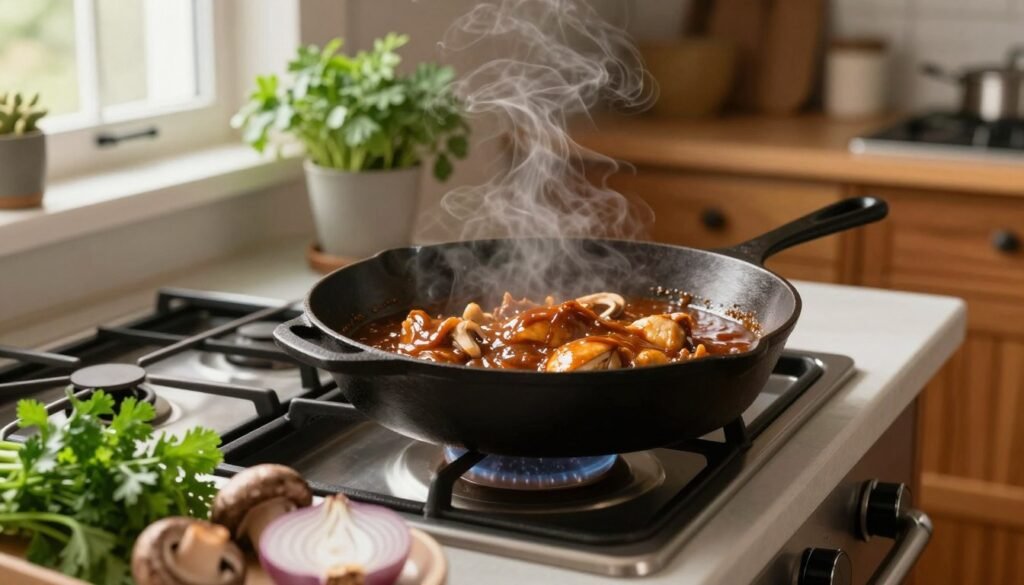
To make an easy marsala sauce recipe, you need to know two key cooking techniques. These methods will take your chicken marsala sauce from good to great. They are used by professional chefs to impress everyone.
The secret to a great marsala sauce is reducing the sauce and deglazing the pan. These steps make the flavors rich and complex. Your chicken marsala will be unforgettable.
Reducing the Sauce to Perfection
Reducing your marsala sauce is crucial for deep flavors. Here’s how to do it right:
- Simmer the sauce gently, not at a rapid boil
- Allow the sauce to reduce by approximately 50%
- Watch for a slightly syrupy consistency
- Cook for 5-6 minutes to develop rich flavors
The Art of Deglazing
Deglazing is a technique that makes your sauce exceptional. When cooking chicken or mushrooms, brown bits stick to the pan. These bits are full of flavor.
| Deglazing Technique | Key Benefits |
|---|---|
| Add Marsala wine to hot pan | Dissolves caramelized proteins |
| Scrape pan with wooden spoon | Releases concentrated flavors |
| Incorporate browned bits | Adds depth to sauce |
By mastering these techniques, you’ll make an easy marsala sauce recipe that’s restaurant-quality. Remember, patience and attention to detail are key. They turn simple chicken marsala sauce ingredients into a culinary masterpiece.
Flavor Enhancements for Marsala Sauce
Making a creamy marsala sauce is more than just mixing ingredients. The right touches can turn your sauce into something special. These subtle changes can make a big difference in your dish.
To make a rich marsala sauce, choose the right aromatics and herbs. Each one adds depth and character to the sauce. This makes the wine’s flavors shine.
Adding Aromatics
Aromatics are the base of your sauce. Chefs suggest using certain ingredients to add layers of taste:
- Shallots: Add a sweet undertone
- Mild onions: Give a soft base flavor
- Minimal garlic: Used sparingly to avoid overpowering
Cook these aromatics slowly. This lets them become translucent and sweet.
Using Fresh Herbs
Fresh herbs can really boost your sauce. They add brightness and complexity:
| Herb | Flavor Profile | Recommended Quantity |
|---|---|---|
| Flat-leaf Parsley | Fresh, slightly peppery | 2-3 tablespoons, chopped |
| Rosemary | Pine-like, aromatic | 1 tablespoon fresh, or 1 teaspoon dried |
| Thyme | Earthy, subtle | 1-2 teaspoons fresh |
Add herbs at the end to keep their flavors bright. Pro tip: A bit of heavy cream can make your sauce creamy and velvety. It sticks well to chicken or pasta.
Perfect Pairings with Marsala Sauce
Creating the best marsala sauce for chicken is just the start of a great meal. The right side dishes and wine pairings can make your meal even better. Your marsala sauce for chicken needs friends that match its rich, complex tastes.
When picking side dishes, think about textures and flavors that go well with your chicken marsala. Here are some great choices:
- Creamy fettuccine to soak up the sauce’s richness
- Herb-infused mashed potatoes
- Roasted garlic green beans
- Low-carb cauliflower mash
- Crispy roasted vegetables with lemon vinaigrette
Selecting Complementary Wines
Finding the perfect wine can take your marsala sauce for chicken to the next level. Look for wines that match the sauce’s depth without overpowering its flavors.
- Chianti: A medium-bodied red that pairs well
- Barbera: Another great Italian red wine choice
- Oaked Chardonnay: A full-bodied white that pairs well with rich sauces
Crafting the Complete Meal
For a true Italian dining experience, serve your chicken marsala as part of a multi-course meal. Begin with a light antipasto, then your main course, and end with a rich dessert. The best marsala sauce for chicken is even better when it’s part of a well-thought-out meal.
Serving Suggestions for Chicken Marsala
Presenting your chicken marsala is more than just about taste. It’s about making a visual experience that highlights your easy marsala sauce recipe. The right plating can turn a home-cooked meal into a dish fit for a restaurant.
Your best marsala sauce for chicken needs great presentation. Professional chefs use several strategies to make the dining experience better.
Plating Techniques to Impress
- Create a creamy sauce bed on warm plates
- Position chicken at a slight angle for height
- Distribute mushrooms evenly across the dish
- Use white plates to highlight the rich brown sauce
Garnishing with Flair
Simple garnishes can make your chicken marsala stand out. Fresh herbs add color and flavor.
- Chopped parsley for bright green contrast
- Delicate rosemary sprigs for aromatic touch
- Light Parmesan cheese sprinkle
- Drizzle of high-quality olive oil
Remember, presentation is key. It creates an inviting visual experience that matches the rich flavors of your marsala sauce. With these tips, your dish will look as good as it tastes.
Common Mistakes When Making Marsala Sauce

Making the perfect homemade marsala sauce needs skill and focus. Many home cooks face challenges that can ruin a dish. Knowing these common mistakes will help you improve your chicken marsala sauce.
Making a great marsala sauce is tricky. It requires avoiding several key mistakes that can affect taste and texture.
Overcooking the Chicken: A Crucial Error
Chicken can easily become overcooked, especially thin cutlets. Your marsala sauce needs careful attention:
- Cook chicken for 5-6 minutes per side
- Use a meat thermometer to check internal temperature
- Watch for clear juices and firm (not rubbery) texture
- Remember chicken continues cooking after removal from heat
The Critical Deglazing Step
Ignoring the deglazing step means missing out on deep flavors. The browned bits in your pan are full of taste for your sauce.
- Always deglaze the pan after cooking chicken
- Use wine or broth to lift caramelized bits
- Scrape pan thoroughly to incorporate deep flavors
Additional Marsala Sauce Mistakes to Avoid
Perfecting your marsala sauce means avoiding these common mistakes:
- Overcrowding mushrooms prevents proper browning
- Salting mushrooms too early releases excess moisture
- Burning garlic by cooking at high temperatures
- Not reducing sauce enough creates watery consistency
- Adding cream over high heat risks curdling
By mastering these techniques, you’ll make your marsala sauce truly special.
Storing and Reheating Marsala Sauce
Keeping your marsala wine sauce fresh is key. Knowing how to store and reheat it ensures you enjoy leftovers. This way, you won’t lose the sauce’s taste or texture.
Best Storage Practices
Storing your marsala wine sauce right is important. Here are some tips:
- Cool the sauce completely before storing
- Use an airtight container for refrigeration
- Store chicken with sauce to keep meat moist
- Keep pasta separate to prevent sogginess
- Refrigerate within two hours of cooking
Your marsala sauce will last 2-3 days in the fridge. Pro tip: Mark the container with the date to keep track of freshness.
How to Reheat Without Compromising Flavor
Reheating marsala sauce needs a gentle touch. This keeps its flavor and creamy texture. The stovetop is the best way to do this.
- Place chicken and sauce in a pan
- Heat over medium-low temperature
- Add a splash of chicken stock or Marsala wine
- Cover with a lid to prevent drying
- Stir occasionally during heating
- Warm for approximately 15 minutes
Don’t use high heat, as it can make the chicken tough and the sauce separate. If the sauce gets too thick, add a bit more liquid to fix it.
Remember: Cream-based sauces like marsala do not freeze well, so it’s best to enjoy your leftovers within a few days.
Variations of Marsala Sauce for Different Proteins
Expand your cooking skills by trying marsala sauce with proteins other than chicken. A true marsala sauce recipe is versatile. It lets you make tasty dishes with pork, tofu, and more, keeping the rich flavor.
Learning to make marsala sauce without mushrooms opens up new cooking adventures. The basic steps are the same: sear your protein, make a flavorful sauce, and let the marsala wine add deep flavors. These steps work well with various proteins.
Pork: A Delectable Alternative
Pork is a great choice for marsala sauce, especially tenderloin or chops. Make sure to pound the meat evenly and season well. Then, pan-fry until it’s golden, creating those tasty browned bits that make the sauce richer.
Tofu: A Vegetarian Delight
Vegetarians can enjoy marsala sauce with extra-firm tofu. Press the tofu to get rid of extra moisture, then cut it into slabs or cubes. Dust with cornstarch for a crispy outside, and fry until golden. Tofu’s neutral taste lets the marsala sauce be the star, making a delicious meatless dish.